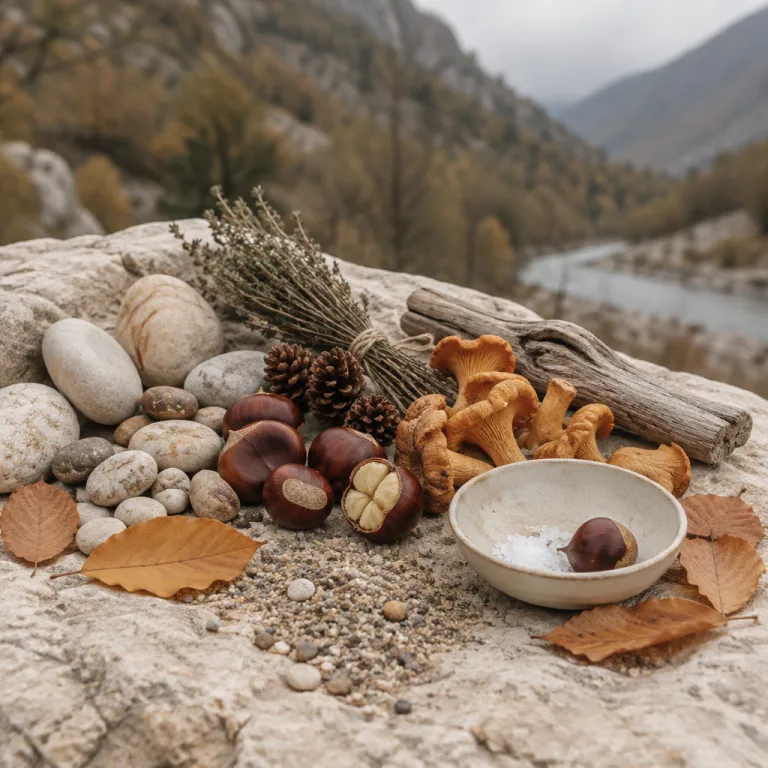
Why late September belongs to the Soča Valley
By late September, the Soča Valley in Slovenia exhales after summer. The buses thin out, the river quiets, and autumn in the Soča Valley finally feels aligned with the pace of the place. You walk beside the emerald water and realize this valley in Slovenia rewards those who wait for the right time.
The famous Soča River owes its colour to glacial flour, those fine rock particles suspended in the river that refract light into impossible turquoise. When autumn arrives in the Julian Alps, lower sun angles soften that glow, and the river Soča shifts from neon to deep glass, especially along the quieter bends between Trenta Valley and Bovec. This is the moment when a road trip along the valley road stops being a race between viewpoints and becomes a slow study of light, water, and forest.
Autumn colour usually starts to show in late September, and this timing makes a fall visit to the Soča Valley particularly rewarding for independent hikers. According to the hiking guide published by the Soča Valley Tourism Board, September brings better deals and more flexible accommodation than high summer, with manageable crowds, which means you can often find a room in a small guesthouse in Bovec or Kobarid without booking months ahead. In late September, a double room in a mid range guesthouse typically runs between €70 and €110 per night, depending on location and demand. That flexibility lets you follow the weather, extend a day where the valley hiking feels perfect, or shift plans if the national park forecast turns wet.
The Soča Valley Trail, which runs roughly 25 kilometres between Bovec and Trenta and follows the river through the Julian Alps of northwestern Slovenia, is the spine of many autumn itineraries. Most hikers complete this trail section in 6 to 8 hours, while the full multi day version from the source near Trenta to Kobarid spans 6 to 7 days and about 3,000 metres of cumulative ascent, according to official Triglav National Park materials. In late September, you can walk these paths without the press of groups, hearing only the river and the occasional car on the distant valley road.
Rain is part of the story here, and it shapes how you plan your Soča Valley trip in autumn. Local tourism offices describe the trail as moderate but with steep sections, and the valley is among the wetter regions of Slovenia, so you should build in flexibility and pack for unsettled weather rather than chase a perfect forecast. Good hiking shoes with grip, a reliable shell, and the willingness to sit out a storm in a Kobarid café will matter more than any single viewpoint on your trip Soča itinerary.
Walking the emerald river: source to Bovec in stages
If you have only two or three days, you will not walk every path along the Soča River, but you can still trace its character from source to town. The upper Trenta Valley holds the river’s beginnings, where a short but steep trail leads to the karst spring that feeds the first clear pools of the river Soča. In late September, the air feels sharp here, and the forest above the source already shows early colour that frames the water in copper and gold.
One strong day of hiking can link sections of the Soča Valley Trail between the source and the small settlement of Soča, then onward toward Bovec, with buses or a pre arranged taxi filling the gaps. The path often runs close to the river, crossing suspension bridges and weaving through forest where fallen leaves soften each step, so your hiking shoes earn their place in your pack. This is valley hiking at its most elemental, with the national park rules asking you to stay on marked trails and leave the mossy riverbanks to themselves.
With two days, many independent travelers base in Bovec and use the local buses to reach Trenta Valley for a partial point to point walk back toward town. In late September, regional buses on the Bovec–Trenta–Kranjska Gora route usually run several times per day on weekdays, with a reduced schedule on weekends, so checking the current timetable before you travel is essential. One day might focus on the upper river, while the second explores the gentler paths and side trails near Bovec, where you can find quieter corners away from rafting Soča operations. If you are used to the crowds in places like the California redwoods, the relative calm here in late September feels like a different category of nature travel altogether, similar in spirit to a carefully planned journey among giant trees but tuned to water instead of wood.
Those with three days can slow the pace further and treat a fall holiday in the Soča Valley as a sequence of river moods rather than a checklist of things to see. One morning might be spent on a short trail above the valley, looking down on the Soča River as mist lifts from the gorge, while an afternoon follows a low path that brushes the water’s edge. The key is to let the time of day and the weather decide which section of valley Slovenia you walk, rather than forcing a rigid schedule.
Public transport supports this approach better than many expect, especially outside the most remote corners of Triglav National Park. Seasonal buses connect Bovec with Kranjska Gora via the Vršič Pass, and with Kobarid and Tolmin along the valley road, giving car free travelers options for linear hikes. You can arrive from Italy by bus or train to nearby hubs, then shift to local buses, keeping your autumn journey through the Soča Valley low impact while still reaching the trails you care about.
Bovec, Kobarid, and the quiet weight of history
For most travelers, a fall itinerary in this part of Slovenia orbits around two main bases, Bovec and Kobarid. Each town sits close to the river yet feels distinct, and choosing between them shapes the rhythm of your days. Bovec leans toward mountain energy and outdoor activity, while Kobarid carries a quieter, more reflective mood anchored in history and food.
Bovec works well if you want to mix hiking with rafting Soča or other river sports, even in the shoulder season when water levels and temperatures demand more careful planning. The town has direct access to trails that climb toward the Julian Alps, as well as easier valley hiking routes that follow the Soča River downstream. On a grey day, you might trade a summit attempt for a walk to the Virje Waterfall, where a short forest path leads to a pool that glows even under cloud.
Kobarid, by contrast, is where the landscape’s beauty intersects most directly with its wartime past. The Kobarid Museum and the marked historical trail explain how this valley in Slovenia formed part of the First World War Isonzo Front, where Italian and Austro Hungarian forces fought along the river Soča. Walking these paths in late September, with leaves falling over quiet trenches and viewpoints, adds a layer of gravity to your autumn trip in the Soča Valley that no viewpoint alone can provide.
Food is another reason to base in or near Kobarid, especially for travelers who plan their road trip around meals as much as hikes. The restaurant Hiša Franko, just outside town, has helped put this corner of valley Slovenia on the global culinary map, and its presence has encouraged a broader culture of thoughtful local cooking. Even if you do not secure a table there, you will find small family run places in both Kobarid and Bovec where seasonal ingredients mirror the forests and pastures you walk through each day.
From either town, you can reach Tolmin and the Tolmin Gorge, where the river has carved narrow passages and deep pools that feel different from the open Soča River upstream. In late September, the Tolmin Gorge paths can be damp and slick, so sturdy hiking shoes are essential, but the reward is a quieter experience than in high summer. When you step back onto the road and look toward Italy, the border feels close, yet the character of this valley remains distinctly Slovenian, shaped by its national park protections and its own sense of time.
Gorges, waterfalls, and the ethics of being a guest
The iconic images of autumn in the Soča Valley often focus on narrow gorges and luminous pools. Places like the Tolmin Gorge and the smaller side canyons near Kobarid and Bovec concentrate the colour of the Soča River into tight spaces, where every bend feels like a photograph waiting to happen. Yet the most meaningful things you carry home from this valley will rarely be the shots that look like everyone else’s.
Waterfalls punctuate the valley road, each with its own character and level of exposure to crowds. The Virje Waterfall near Bovec, reached by a short path through meadows and forest, can feel almost theatrical in late September when recent rain swells the flow and the surrounding trees shift toward amber. Farther south, near Tolmin, smaller cascades feed the main river, and you can often find a quiet corner where the only sound is water on rock and the distant hum of a car on the road trip route.
With that beauty comes responsibility, especially in a protected area like Triglav National Park. Staying on marked trails protects fragile riverbanks and prevents the erosion that can cloud the Soča River and damage habitats, even if a tempting unofficial path seems to promise a better angle. Local guides and rangers will tell you that the turquoise pools are not a mass bathing set, and that respecting the river means leaving it as clear for the next person as it was for you.
Autumn helps here, because fewer people mean fewer pressures on the most sensitive spots, but the ethic still matters. If you want a deeper sense of how to move through such landscapes with care, it can be useful to read about other destinations that balance access and protection, such as thoughtful journeys beyond the main viewpoints in places like Cappadocia, where walking behind the postcard image reveals a different story. The same principle applies in the Soča Valley, where the most rewarding path is often the one that stays just far enough from the river to let it breathe.
Simple choices reinforce that respect during your Soča Valley stay in autumn. Carrying out every piece of trash, choosing established campsites or small guesthouses over wild camping by the river, and keeping noise low on narrow trails all help preserve the sense of quiet that makes late September special. In return, the valley offers you mornings when mist rises from the water, afternoons when the sun lights up a single bend in the river Soča, and evenings when the only sound in town is the low rush of water in the dark.
Getting in, getting around, and choosing your own pace
Reaching the Soča Valley without a car is easier than many travelers assume, especially for those planning a fall escape to this part of Slovenia from neighbouring countries. Buses link Ljubljana with Bovec, Kobarid, and Tolmin, and there are seasonal connections from Kranjska Gora over the Vršič Pass that turn the journey itself into a highlight. From Italy, you can approach via Udine or Trieste, then transfer to regional buses that follow the valley road into Slovenia.
Once you are in the valley, the choice between car free travel and a rental car shapes how you experience time and distance. A car offers flexibility for early morning starts at trailheads, quick detours to waterfalls, and spontaneous stops at small roadside farm stands, but it also encourages a faster, more fragmented rhythm. Relying on buses and your own feet, by contrast, turns each day into a sequence of linked paths, from the Soča Valley Trail to short connectors that lead back to town.
For many independent travelers, the ideal compromise is to structure a loose road trip that begins or ends in the Soča Valley, then continues to other landscapes that reward slow travel. Some pair this region with the high passes and lakes around Kranjska Gora, while others look further afield to places that offer a similar blend of water, forest, and quiet, such as lesser known lake regions explored in depth on dedicated slow travel journeys. What matters is that your trip Soča segment is not rushed, because the valley reveals itself in layers that only appear when you give them space.
Gear choices also influence how much of the valley you can comfortably cover in late September. Reliable hiking shoes, a light but waterproof shell, and a small daypack with space for extra layers and snacks will let you move from gorge paths to higher trails without constant adjustments. With that basic kit, you can step off the bus in Trenta Valley, follow a marked trail along the river Soča, and end the day in Bovec or Kobarid with the satisfying fatigue that comes from a full day outside.
In the end, autumn in the Soča Valley is less about ticking off famous things and more about accepting the pace the river sets. You might spend an entire afternoon on a single bend of the Soča River, watching how the light changes the colour from jade to pale blue, and feel no need to move on. That is the promise of this valley in Slovenia when the crowds have gone; not the postcard, but the walk behind it.
FAQ
When is the best time in autumn to visit the Soča Valley ?
Late September into early October is generally the sweet spot for a fall trip to the Soča Valley, with early foliage, softer light, and fewer visitors than peak summer. Trails such as the Soča Valley Trail remain accessible, and accommodation in towns like Bovec, Kobarid, and Tolmin is easier to find. Weather can be changeable, so you should build flexibility into your plans and pack for rain.
Do I need a car to explore the Soča Valley in autumn ?
A car is helpful but not essential, especially if you focus on valley hiking routes and towns along the main valley road. Buses connect Bovec, Kobarid, Tolmin, and Kranjska Gora, and seasonal services over the Vršič Pass make linear hikes possible. Car free travelers simply need to plan around bus timetables and choose trails that start and end near stops.
How difficult are the main hiking trails in the Soča Valley ?
Most popular paths, including sections of the Soča Valley Trail and routes to spots like the Tolmin Gorge or Virje Waterfall, are moderate and suitable for reasonably fit hikers. There are steeper sections and potentially slippery surfaces, especially after rain, so sturdy hiking shoes are important. Higher elevation trails toward the Julian Alps require more experience and better weather windows.
Can I swim in the Soča River during autumn ?
The Soča River is cold year round, and temperatures drop further in autumn, so swimming is only for those comfortable with very cold water. Many locals and guides discourage swimming in narrow gorges and sensitive turquoise pools to protect both safety and the river ecosystem. If you do enter the water, choose wider sections, follow local advice, and avoid turning quiet spots into informal bathing areas.
Is the Soča Valley suitable for a multi day road trip ?
The valley works very well as part of a multi day road trip that might include Kranjska Gora, the Vršič Pass, and other corners of Triglav National Park. Distances are short, but there are enough trails, waterfalls, and small towns to fill several days without rushing. Planning two to four nights in the valley allows you to adjust for weather and experience both river level walks and higher viewpoints.