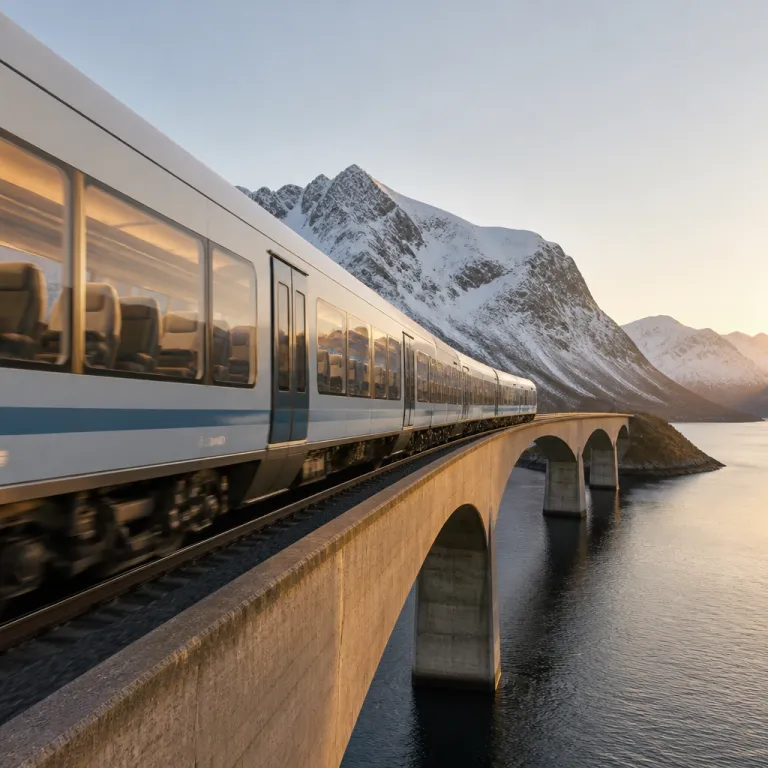
Why scenic train routes in Europe belong in your camera roll
Scenic train routes in Europe reward photographers who value movement as much as arrival. On these trains the railway carriage becomes a rolling studio, with changing light, shifting weather and landscapes that unfold at a pace your lens can follow. When you plan train travel this way, the journey stops being dead time and turns into a sequence of deliberate frames.
Across Europe, national railways run regular trains on lines that feel curated for visual drama, yet you still buy tickets like any commuter and share the carriage with locals. These are not private charters but everyday European train services where a standard ticket buys access to glaciers, fjords, terraced vineyards and high plateaus. To work them into your journeys, you will need to think about travel time, train routes and how to book tickets online with enough flexibility for weather and light.
Before you choose a route, decide what kind of train rides you want to shoot: slow river bends, alpine passes, coastal tunnels or night scenes on sleeper trains. Then look at a map of Europe and trace how these scenic train lines connect, because several can be linked into one longer journey. When you buy tickets, favour daytime segments for the most scenic sections and keep a separate ticket or pass for functional hops between major train station hubs.
Bergen Railway, Norway: fjords, tundra and seven hours of shifting light
The Bergen Railway between Oslo and Bergen is one of the classic scenic train routes in Europe, and it earns that reputation with every kilometre. Over roughly 496 km the train climbs from lowland forest to the Hardangervidda plateau at about 1,222 m, then drops again towards the fjord-carved west coast. For a photographer, that single journey offers at least three distinct visual stories: misty lakes, bare mountain tundra and pine forest falling towards water.
This is a regular Vy train, not a tourist express, so you buy tickets through the national railway system and choose your seat online. Aim for a window seat on the left when travelling towards Bergen, where the best views open across lakes and distant peaks during the longest train ride segments. Because travel time is around seven hours, pack light gear, extra batteries and a cloth for condensation on the glass, especially when trains pass through the more than 180 tunnels that punctuate the route.
Summer brings long twilight on the plateau, while winter compresses the light into a few intense hours that reward careful timing of your journey. If you plan multiple train journeys across northern Europe, you can connect this line with services through Germany, Austria or onwards by train ferry from Denmark, building a continuous overland route. Treat the Bergen Railway as a backbone for rides Europe wide, then branch off to smaller lines once you understand how each train operator handles reservations and ticket changes.
Bernina Express and Swiss classics: precision, gradients and glass domes
In Switzerland, the Bernina Express between Chur and Tirano is the sharpest answer to anyone asking where to find the most concentrated scenic train experience. Over about 144 km the train crosses close to 200 bridges and more than 50 tunnels, climbing to high glaciers before dropping to palm-lined streets in Italy, all within a single journey. The Landwasser Viaduct is the iconic shot, but the real work happens in the quieter curves where the railway threads through stone villages and tight valleys.
You can ride the dedicated Bernina Express panoramic cars or take regular regional trains on the same route, buying tickets through the Rhaetian Railway booking channels or at any staffed train station. Either way, this is one of the most photogenic train rides in Europe, especially if you time your travel for early morning or late afternoon when side light sculpts the peaks. For photographers, the large windows are both a gift and a challenge: reflections demand a dark shirt, a lens hood and sometimes pressing the lens directly to the glass.
Elsewhere in Switzerland, the Glacier Express between St. Moritz and Zermatt and the so-called “express” Switzerland regional lines along lakes and valleys extend the same visual language of precision engineering in wild terrain. These European train services run year round, but snow cover, autumn colour and summer haze all change the mood of your journey. When you buy tickets online, check whether you need a seat reservation in addition to your base ticket, because Swiss railways separate the two products on many scenic train routes.
Coastlines and vineyards: Cinque Terre, the Rhine and the Douro
Not every scenic train in Europe climbs to high passes; some of the richest images sit close to sea level. The Cinque Terre line between La Spezia and Levanto in Italy is a short but dense train ride, where tunnels frame sudden views of villages clinging to cliffs above the Ligurian Sea. Each stop offers a different composition, and the steep climb from Corniglia train station up 382 steps rewards you with a wide-angle view that justifies every drop of sweat.
Further north, the Rhine Valley line between Cologne and Mainz runs beside the river, past castles, vineyards and barges that slide under your window at walking pace. This is a standard Deutsche Bahn route, so you buy tickets like any other intercity journey, yet the scenery rivals many dedicated tourist trains. Because the railway hugs the water, you can experiment with slower shutter speeds from the carriage, turning passing trains and boats into streaks while the hills stay sharp.
On the Douro Valley line from Porto to Pocinho in Portugal, the train rides so close to the river that reflections become a second landscape. Terraced vineyards climb the slopes, and traditional quintas appear and vanish between tunnels, giving you a sequence of frames that feel almost storyboarded. Step off at Pinhão to photograph the azulejo-tiled station, then continue your journey as the light softens, making this one of the most rewarding evening train journeys in southern Europe.
Slow north and wild south: Inlandsbanan and Belgrade–Bar
For photographers who prefer space over spectacle, the Inlandsbanan through Sweden offers one of the last great slow railways in Europe. Over roughly 1,300 km between Mora and Gällivare, the train moves through forests, lakes and small towns where the platform might be a simple gravel strip. This is not an express service but a deliberately unhurried scenic train journey, where long pauses and request stops let you step off, reframe and step back on.
Because the route is seasonal and lightly served, you should book tickets well ahead and confirm how the train operator handles luggage and camera gear. Travel time is spread over two days, often with an overnight stop, so plan your journeys around the midnight sun or the low winter light that skims across frozen lakes. The rhythm here is different from other scenic train routes in Europe: you are not chasing a single iconic shot but building a quiet series that captures repetition and subtle change.
At the opposite extreme sits the Belgrade–Bar line, often called the Belgrade–Bar railway, which runs from Serbia to the Montenegrin coast. This train ride crosses hundreds of tunnels and bridges, including the Mala Rijeka viaduct above the Tara River canyon, one of the deepest in Europe, making it a dramatic counterpoint to the stillness of Sweden. Schedules can be unreliable, so buy tickets with buffer days, treat sleeper trains here as part of the adventure and remember that on this European train, the chaos is as photogenic as the scenery.
Practical framing: tickets, timing and working with the network
Turning scenic train routes in Europe into a coherent photography project means treating the rail network as both subject and tool. Start by mapping your journey around a few anchor routes, then use regular trains to bridge the gaps between them. When you buy tickets, decide where you need flexibility and where you can commit to a specific train ride for the best light.
Most railways now let you book tickets online, but not all systems behave the same way, especially when you cross borders between Germany, Austria, Italy and Switzerland. Some train operator platforms sell through tickets, while others require separate bookings for each national segment, so keep screenshots and offline copies of every ticket. If you prefer human help, major train station counters across Europe still handle international rail reservations, including sleeper options on longer journeys.
Remember the basics that experienced rail travellers repeat: “Book tickets in advance.”, “Check seasonal schedules.”, “Bring a camera for views.” For night segments, choose sleeper trains only when the scenery is secondary, because darkness erases even the most scenic train landscapes. When you plan rest days between rides Europe wide, consider side projects like photographing megalithic sites in Brittany, using guides such as this one on photographing the Carnac stones, so your overall travel story balances rail, land and sea without needing a train ferry on every leg.
FAQ about scenic train routes in Europe
Do these scenic trains require reservations or can I just board?
Many scenic train routes in Europe use regular intercity or regional trains, but popular services such as the Bernina Express, Glacier Express and some sleeper trains require seat reservations in addition to a standard ticket. When in doubt, check the specific train operator website or ask at a major train station before you travel, especially in peak seasons when panoramic cars and night trains can sell out.
Are scenic routes like the Bergen Railway and Cinque Terre line open all year?
Most of the routes described, including the Bergen Railway, Rhine Valley line, Bernina Express and Cinque Terre services, operate daily throughout the year, though timetables change with the seasons. Some lines, such as the Inlandsbanan in Sweden, are more seasonal and may run only during specific months. Always confirm current schedules online or at a station, especially if your journey depends on tight connections.
Can I bring luggage and camera gear on these trains without extra fees?
Standard luggage, including camera bags and tripods, is generally allowed on European trains without additional charges, as long as you can carry it yourself and store it safely. Overhead racks and end-of-carriage spaces usually accommodate typical travel gear, but very large cases may be inconvenient on crowded commuter segments. If you plan extensive equipment, check the railway rules in advance and consider packing lighter for routes with frequent boarding and exits.
Do scenic trains in Europe offer dining services or should I bring my own food?
Onboard services vary widely: some long-distance trains such as the Glacier Express and certain Bergen Railway departures offer dining cars or at-seat service, while shorter regional routes may only have vending machines or no catering at all. For photographers who do not want to leave their window seat, bringing snacks and water is always a sensible backup, especially on remote stretches where station facilities are limited.
Are these scenic train routes accessible for travellers with reduced mobility?
Accessibility standards have improved across many European railways, but they are not uniform, especially on older rolling stock and rural lines. If step-free access, assistance boarding or accessible toilets are essential, contact the train operator before you buy tickets and request written confirmation of the available support. Allow extra time for transfers, and when possible choose major hubs where lifts, ramps and staffed assistance are more reliably available.