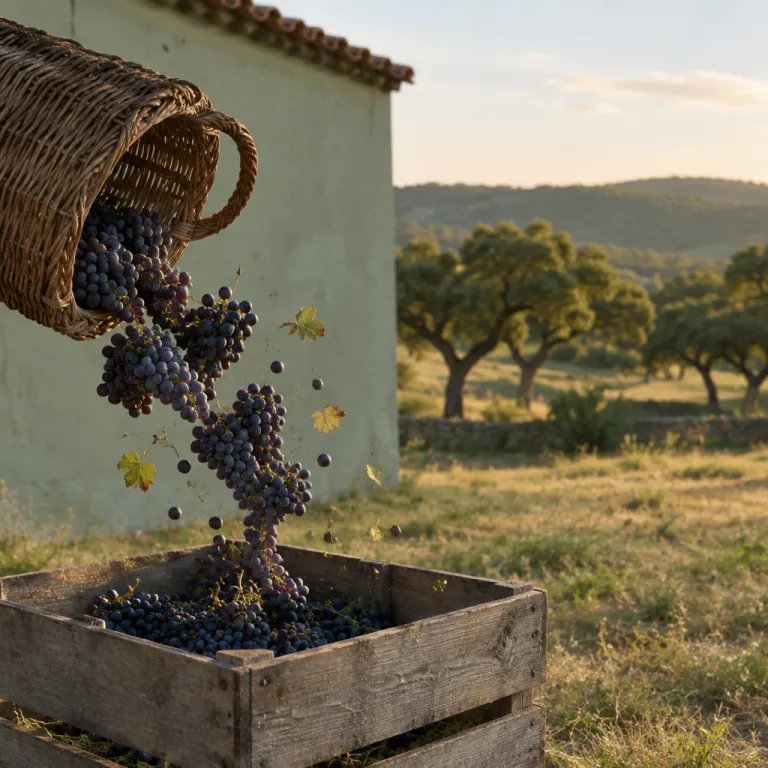
Alentejo Portugal travel guide slow travel essentials
Alentejo Portugal feels like a quiet reply to the country’s crowded coasts. This Alentejo Portugal travel guide slow travel approach invites you to trade frantic checklists for long horizons, cork oak forests, and conversations with local winemakers who still work the land. If you want a region Portugal experience that is unhurried yet deeply textured, Alentejo is where slow becomes a way of seeing.
The Alentejo region stretches between Lisbon and the Spanish border, a vast rural landscape where each Alentejo town has its own rhythm. Many travelers rush through on a single day tour from Lisbon to Évora, but a more thoughtful travel itinerary reveals how the alentejo region changes from the vineyards of Alto Alentejo to the pastoral plains of Baixo Alentejo. Treat this as a travel guide to staying put, not racing between the so called best places.
Think of Alentejo slow travel as a pact with yourself. You will move less, stay longer, and let each town, village, and wine estates visit shape the next day rather than a rigid itinerary. This Alentejo Portugal travel guide slow travel philosophy also lowers your carbon footprint, because fewer transfers between Lisbon, Évora, and the coast mean more time walking, cycling, and riding local buses instead of chasing another region Portugal highlight.
The landscape and why it suits slow rhythms
The first thing you notice in Alentejo Portugal is space. Cork oak montados, olive groves, and wheat fields roll for kilometres, making the alentejo region ideal for slow travel by bicycle or on foot between one Alentejo town and the next. Dawn and dusk are the best times to feel this landscape, when the light softens and the only sound is a distant tractor or a church bell from a small town like Vila Viçosa.
Because distances between villages in Baixo Alentejo are moderate, you can design a travel itinerary that links wine estates, whitewashed towns, and river beaches without rushing. Many travelers book a rental car in Lisbon, then drive the Lisbon Évora route in under two hours, but the real pleasure lies in taking side roads through marble quarries and tiny hamlets. This is where a patient travel guide earns its keep, steering you toward family run taverns instead of highway service stations.
Slow travel in the alentejo region also means aligning with agricultural time. Harvest seasons for Alentejo wine, olives, and cork shape local festivals, market days, and even when certain trails are at their best. Ask a local farmer or café owner about the best places for a sunset walk, and you will often be directed to a nearby hilltop chapel such as Nossa Senhora da Conceição, where the view explains why Alentejo slow travel is less about doing and more about quietly staying.
Évora, Lisbon, and the art of not rushing your route
Most journeys into Alentejo Portugal begin or end in Lisbon, and the Lisbon Évora axis can either be a blur or a gentle on ramp into slow travel. Évora is the historic heart of the alentejo region, a walled city where Roman ruins, medieval lanes, and university life overlap in a compact centre. Treat Évora not as a quick day tour stop, but as the first chapter in an Alentejo Portugal travel guide slow travel narrative.
Within the city walls, every corner offers a different way to engage with history at a human pace. You might start your day at the Roman Temple, then wander toward the cathedral of Sé de Évora, before slipping into a quiet cloister or a café filled with local students. A thoughtful travel itinerary leaves space for detours, like following a side street to a small workshop where artisans carve marble or restore azulejo tiles, which are both central to the identity of this region Portugal interior.
From Lisbon, trains and buses to Évora make car free travel realistic for eco conscious visitors. Once in town, you can walk almost everywhere, joining a guided tour only when it adds depth, such as a specialist walk through Évora’s Jewish quarter or a visit to nearby megalithic sites. If you are drawn to remote, climate sensitive destinations, you may appreciate how this kind of grounded travel echoes the ethos of independent journeys in fragile places, similar to what careful travelers seek when planning independent travel in Greenland before the guidebooks.
Designing a low impact itinerary through towns and villages
Once you leave Évora, the temptation is to tick off as many Alentejo town names as possible, but the better strategy is to choose two or three bases. Consider pairing Évora with a smaller town such as Vila Viçosa, then adding a stay in Baixo Alentejo or along the Vicentine Coast. This structure turns your travel itinerary into a series of short radiating day trips rather than a constant loop of packing and unpacking.
In Vila Viçosa, the marble palaces and quarries tell a different story of Alentejo Portugal, one shaped by stone rather than vines. Walking through the main square, you see how marble appears in everything from benches to doorsteps, and a good travel guide will point out how this material once drove the local economy. Staying several days allows you to visit nearby wine estates, explore the surrounding countryside by bicycle, and still have time for a quiet evening in a local tasca.
Farther south, Baixo Alentejo offers a more agricultural, less visited side of the alentejo region. Towns like Beja or smaller villages around São Pedro parishes feel deeply rooted, with weekly markets that reward unhurried browsing. Here, slow travel means lingering over conversations, accepting invitations to see a family farm, and letting your Alentejo Portugal travel guide slow travel mindset override any pressure to see everything in one trip.
Wine estates, marble towns, and the quiet glamour of Alentejo
Alentejo wine has quietly become one of the most compelling reasons to travel through this region, yet the mood remains refreshingly unpretentious. Unlike the Douro Valley, where terraces and river cruises can feel choreographed, many wine estates in Alentejo Portugal still operate as working farms first and tasting rooms second. This balance makes the alentejo region ideal for travelers who value authenticity over spectacle.
Plan at least one full day devoted to wine tasting, ideally without driving, so you can move slowly between vineyards and cellars. Some estates near Évora and in Alto Alentejo offer transfers from town, allowing you to book a guided tour that includes both the vineyards and the surrounding cork oak forests. A well structured travel itinerary might pair a morning among the vines with an afternoon walking through a nearby Alentejo town, where you can see how wine, olive oil, and marble wealth have shaped local architecture.
Marble is another thread running through this Alentejo Portugal travel guide slow travel narrative. In Vila Viçosa and neighbouring towns, marble quarries form vast open air amphitheatres, their pale walls glowing at sunset. A sensitive travel guide will encourage you to view these landscapes with nuance, recognising both the economic lifeline they provide and the environmental questions they raise, much as thoughtful travelers weigh the impact of chasing autumn colour in lesser known destinations highlighted in guides to fall foliage beyond New England without the crowds.
How to taste Alentejo wine the slow way
Approach Alentejo wine tasting as a conversation rather than a checklist. Instead of racing through flights, ask about grape varieties, soil types, and how recent drought patterns are reshaping decisions in the vineyard. Many wine estates in the alentejo region are experimenting with amphora ageing, a technique with deep roots in this part of Portugal, and hearing these stories directly from winemakers adds layers to every glass.
For eco conscious travelers, choosing estates that practice organic or regenerative agriculture aligns your spending with your values. When you book visits, look for smaller producers who limit group sizes and encourage walking through the vines, not just standing at a bar, because this supports the ethos of Alentejo slow travel. Some estates also partner with local guides to offer combined walks and tastings, turning a simple tour into a full day immersion in both landscape and culture.
Remember that wine in Alentejo Portugal is inseparable from food and daily life. Plan meals in local taverns where house wines come from nearby cooperatives, and ask which Alentejo wine pairs best with regional dishes like migas or açorda. These conversations often lead to spontaneous invitations, new recommendations for best places to visit, and a deeper sense that your Alentejo Portugal travel guide slow travel journey is being co written by the people who live here.
Baixo Alentejo, sky reserves, and the power of dark nights
South of Évora, Baixo Alentejo opens into wider plains, sparser towns, and some of the clearest night skies in region Portugal. This is where the pace of slow travel becomes almost meditative, especially if you stay on a rural property far from major roads. The combination of low light pollution and open horizons makes Baixo Alentejo a natural gateway to the Alqueva Dark Sky Reserve.
The sky reserve around Lake Alqueva was the first starlight tourism destination certified in the world, and it remains one of the best places in Europe for stargazing. On clear nights, the Milky Way stretches overhead in a way many urban travelers have never seen, turning a simple evening walk into a quiet lesson in perspective. Local guides offer dark sky observation sessions with telescopes, but you can also lie back on a blanket and let the constellations slowly reveal themselves.
Integrating the dark sky experience into your Alentejo Portugal travel guide slow travel plan is straightforward. Base yourself in a small Baixo Alentejo town or lakeside village, then spend your days walking, cycling, or visiting nearby wine estates before returning to the sky reserve area after sunset. This rhythm of active days and contemplative nights embodies the best of Alentejo slow travel, where each day feels full yet never rushed.
Rural villages, chapels, and the quiet spirituality of place
Many of the most memorable moments in Baixo Alentejo happen in places that rarely appear in mainstream travel guide rankings. A whitewashed chapel of Nossa Senhora on a hill, a São Pedro parish church with a worn stone threshold, or a village café where elders play cards under framed photographs of past harvests. These are not headline attractions, yet they anchor the alentejo region in lived experience.
When you enter a small church dedicated to Nossa Senhora or São Pedro, pause to notice the details that speak of centuries of devotion. Hand painted tiles, simple wooden benches, and offerings left by local families tell stories that no quick tour can capture. Slow travel here means sitting for a few minutes, listening to the creak of the door, and letting the space work on you.
To move respectfully through these communities, keep your travel itinerary flexible and your expectations modest. Ask permission before photographing people, support local bakeries and markets, and learn a few Portuguese phrases to show goodwill. Over time, you will find that the alentejo region gives more to travelers who arrive with curiosity and patience than to those who treat it as a backdrop for hurried content.
Coastal trails, ethical choices, and planning your own Alentejo slow journey
While much of this Alentejo Portugal travel guide slow travel focus rests inland, the region’s Atlantic edge offers a different kind of stillness. The Rota Vicentina, a network of walking trails along the Vicentine Coast, is one of Europe’s most rewarding coastal routes, yet many sections remain uncrowded even in busy months. Here, cliffs, fishing villages, and empty beaches replace resorts and nightlife.
For eco conscious travelers, the Rota Vicentina is a case study in how tourism can support conservation when managed thoughtfully. Waymarked paths keep walkers on durable surfaces, while local guesthouses and restaurants benefit from a steady but not overwhelming flow of visitors. Building a travel itinerary that combines a few days on the trail with time in an inland Alentejo town allows you to experience both faces of Alentejo Portugal without overloading any single community.
If you are drawn to other low impact nature journeys, such as carefully planned wildlife trips in Africa that prioritise conservation over spectacle, you will recognise the same ethic in Alentejo’s quieter corners and along its coast, especially when you research options similar to unforgettable wildlife journeys on safari. The key is to book locally owned stays, choose human powered activities like walking or kayaking, and resist the urge to compress everything into a single frantic week. Alentejo slow travel rewards those who accept that they will not see it all, but will feel deeply the parts they do.
Practical planning: from guidebooks to your own lived map
Start planning by deciding how many days you can genuinely give to Alentejo Portugal, then cut one destination from your list. This simple act creates space for the unplanned, whether that is an extra night in a favourite Alentejo town or a spontaneous visit to a small wine estate recommended by a local. Use a trusted travel guide as a framework, but let conversations on the ground reshape your route.
When you book accommodation, prioritise places that are embedded in their communities, employ local staff, and source food from nearby producers. Ask hosts about public transport links, walking routes, and lesser known best places to eat or swim, because these details often matter more than any glossy brochure. Over time, your own notes, sketches, and memories will become a personalised Alentejo Portugal travel guide slow travel resource for future trips.
Finally, remember that slow travel is less a trend than a discipline. It asks you to trade breadth for depth, to accept that a single chapel of Nossa Senhora or a quiet evening under the dark sky can be enough for one day. In Alentejo Portugal, where the land, the wine, and the people move at their own pace, that trade feels not like a sacrifice, but like a return to how travel is meant to feel, not the postcard, but the walk behind it.
FAQ
How many days do I need for a meaningful Alentejo slow travel trip ?
For a genuinely slow travel experience in Alentejo Portugal, plan at least seven to ten days. This allows time for Évora, one or two smaller towns such as Vila Viçosa or a Baixo Alentejo village, plus a few days on the coast or near the dark sky reserve. With fewer than five days, you will likely spend more time in transit than in the quiet rhythms that define the alentejo region.
Is it possible to visit Alentejo without renting a car ?
Travel between Lisbon and Évora is easy by train or bus, and some larger Alentejo town hubs have regional connections. However, reaching rural wine estates, small villages, and the Rota Vicentina coastal trails is more challenging without a vehicle. If you prefer not to drive, base yourself in one or two towns with good transport and use local tours, taxis, and bicycles for day trips.
What makes Alentejo wine different from other Portuguese regions ?
Alentejo wine often comes from warmer, drier conditions than coastal regions, producing generous reds and increasingly refined whites. Many producers use traditional amphora ageing alongside modern techniques, creating a distinctive style rooted in local history. Compared with the Douro, wine estates in the alentejo region tend to feel more relaxed and less crowded, which suits a slow travel approach.
When is the best time to enjoy the Alqueva Dark Sky Reserve ?
The dark sky around Lake Alqueva is impressive year round, but the clearest views usually come on dry nights with little humidity. Avoid full moon periods if you want to see the Milky Way in sharp detail, because moonlight can wash out fainter stars. For many travelers, pairing warm evenings with comfortable night temperatures makes late spring and early autumn especially appealing.
How can I make my Alentejo itinerary more sustainable ?
To reduce your impact, limit the number of bases, use public transport where possible, and choose locally owned stays and restaurants. Focus on low impact activities such as walking, cycling, and small group wine tasting instead of high emission excursions. Buying regional products directly from markets and producers in each Alentejo town also keeps your spending within the local economy.